Common pickleball injuries in active adults 60+, simple prevention tips, how chiropractic and soft-tissue care help, and red flags that mean see a doctor.
Pickleball is the most fun a lot of my patients have had in years. It is social, it is forgiving on the lungs, and you can pick it up at almost any age. It is also one of the fastest-growing sports in the country, and it is especially popular with adults over 60 here in North Georgia — I see new paddle players walk into my Canton, Cartersville, and Rome offices regularly. Most of them are not asking how to win a tournament. They are asking how to keep playing without their shoulder, knee, or wrist sidelining them for a season.
That is the right question. The good news is that the majority of pickleball injuries I treat are predictable, preventable, and very treatable with conservative, non-surgical care. The honest part is that pickleball involves quick stops, lateral lunges, and overhead swings — and those movements ask a lot of joints that may already have some arthritis or a little less bone density than they did at 40. My goal in this article is to help you play smart, recognize when something is just sore versus genuinely hurt, and know exactly when to set the paddle down and get evaluated. None of this replaces your own physician's advice — if you have heart, blood-pressure, balance, or bone-density concerns, loop in your primary care doctor before you ramp up.
The injuries I see fall into two buckets: overuse injuries that build slowly over weeks, and acute injuries that happen in a single moment — usually a slip, a lunge, or a fall. Knowing which is which changes how you respond.
On the overuse side, the usual suspects are lateral epicondylitis ("tennis elbow," and yes, it happens in pickleball too), rotator cuff tendinitis from repeated overhead serves and dinks, Achilles tendinitis from the constant push-off, and aggravated knee pain from lateral movement on a hard court. These tend to start as a dull ache that you can play through — until one day you cannot. Persistent shoulder and knee pain is one of the most common reasons active adults first come to see me, and pickleball has become a frequent trigger.
On the acute side, the big ones are ankle sprains from a quick pivot, calf and hamstring strains from sprinting to the kitchen line, and — the one I worry about most in this age group — wrist and hip fractures from falls. The American Academy of Orthopaedic Surgeons notes that some of the most serious pickleball injuries in older players come from falls, where a wrist, shoulder, or hip takes the full force of a body that is moving sideways. That distinction matters because a sprain you can usually treat conservatively, but a suspected fracture needs an X-ray first and a medical evaluation before any hands-on treatment.
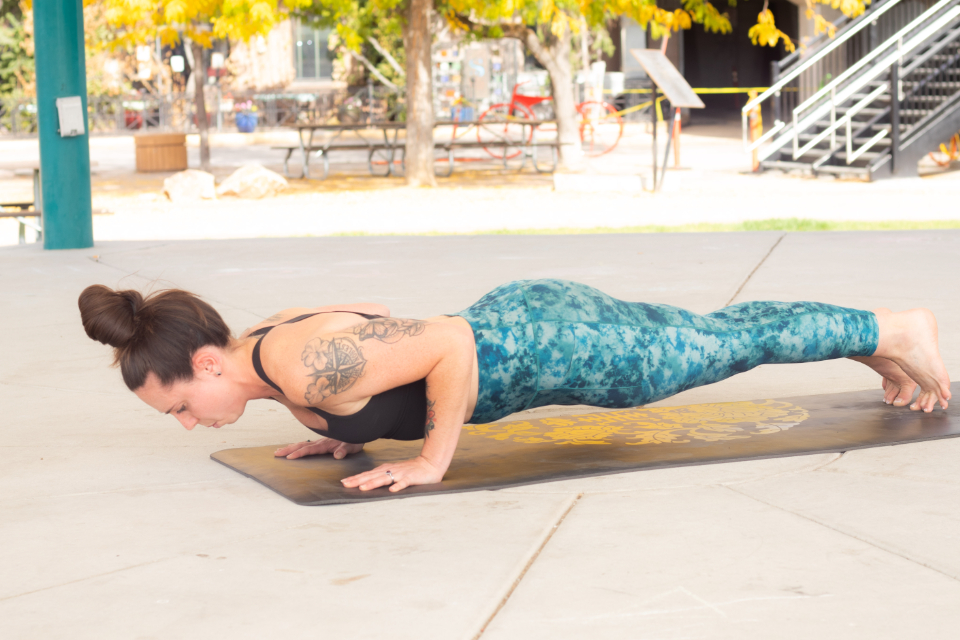
It is not because anyone is fragile. It is because pickleball combines three demanding elements — reaction quickness, lateral loading, and overhead reaching — and stacks them on top of normal age-related changes: a little less tendon elasticity, slightly slower balance reflexes, and, for some, reduced bone density. None of that means you should stop playing. It means your warm-up and mechanics carry more weight than they did decades ago. The players who get hurt are rarely the ones who prepared; they are the ones who jumped straight from the car onto the court cold.
You prevent most pickleball injuries by addressing three things before you ever pick up a paddle. I group prevention into what I think of as the three Ps — proper stretching, proper equipment, and proper mechanics — which mirror the warm-up and equipment guidance Mayo Clinic offers for the sport. I have my patients run through all three.
Cold tendons tear; warm tendons stretch. Before play, I want five to ten minutes of dynamic movement — leg swings, gentle lunges, arm circles, torso rotations, and a few easy practice dinks — not static "hold it for thirty seconds" stretches. Dynamic warm-up raises tissue temperature and primes your nervous system for the quick changes of direction the game demands. Mayo Clinic specifically recommends warming up and stretching the shoulders, arms, and legs before playing. Save the longer static stretches for after, when you are cooling down.
This is the easiest P to fix and the one most people ignore. Three things matter most:
Good mechanics protect joints. Bend at the knees and hips to reach low balls instead of bending at the back. Keep your feet moving so you are not lunging off-balance. Avoid backpedaling for a lob — turn and run, or let it go, because backpedaling is how players fall backward and break a wrist or hit their head. And build a baseline of strength and balance off the court. A simple two-day-a-week routine of core, hip, and shoulder work does more for your durability than any paddle upgrade. As someone who is TPI Certified (Medical Level 3, Golf Level 2) and SFMA Level 2, a lot of my work is exactly this — finding the one or two movement patterns that, when cleaned up, take the load off the joint that keeps complaining.
For players in their 60s, 70s, and beyond, the single highest-stakes prevention target is not a sore elbow — it is a fall. A turned ankle is an inconvenience; a fractured wrist or hip can change your independence for a year. That is why I spend real time on balance and reaction work with older players: single-leg stance drills, controlled side-stepping, and split-step timing so your feet are under you before you reach. Strong hips and ankles, paired with the habit of stopping under control rather than scrambling, do more to protect you than anything else on this list. If you already know your balance is shaky or you have fallen in the past year, that is a conversation to have with your physician as well — sometimes a medication review, a vision check, or a formal balance assessment is the highest-value step of all. Good conditioning lowers fall risk, but no exercise program eliminates it, so the goal is to stack the odds, not to assume you are fall-proof.
For the overuse and mechanical injuries that make up most of what I see, conservative care helps in three concrete ways: it calms the irritated tissue, it restores the motion the joint lost, and it corrects the movement pattern that caused the problem so it does not simply come back.
Take rotator cuff or elbow tendinitis from too many serves. Hands-on soft-tissue work like Active Release Technique targets the specific adhesions and trigger points in the affected muscle and tendon, which can reduce pain and improve how the tissue glides. Pair that with mobility work for a stiff mid-back or shoulder blade, and the overhead motion stops grinding through one overloaded spot. Many players are surprised that a cranky shoulder traces back to a stiff thoracic spine or a guarded neck — which is why I often assess neck and upper-back mobility even when the complaint is the arm.
For the spine itself, spinal manipulation has reasonable evidence behind it for common back pain. The National Center for Complementary and Integrative Health notes that spinal manipulation can help with low-back pain and is generally considered safe when performed by a trained, licensed professional. The American College of Physicians guideline goes further, recommending non-drug options — including spinal manipulation, exercise, and heat — as first-line care for low back pain before medication. That is the conservative, evidence-based lane I practice in, and it fits an active older adult who wants to avoid unnecessary drugs or surgery and get back on the court. For older adults specifically, I screen first and adjust my approach to your bone density and medical history — and if anything suggests a fracture or other serious cause, you get referred for imaging or to your physician before I treat.
Return-to-play is where a lot of well-meaning players go wrong — they rest until the pain is gone, then jump straight back to two-hour sessions and re-injure themselves within a week. I coach a graded return instead. We rebuild range of motion and pain-free strength first, then reintroduce sport-specific movement, then dose your playing time up gradually — say, thirty minutes, then forty-five, monitoring how the tissue responds the next morning. If you are local, my team focused on sports injuries and our Canton sports-injury chiropractic care build these plans around your actual schedule and goals, not a generic protocol.
I will also be honest about limits. Chiropractic and soft-tissue care help symptoms and function, and they can meaningfully reduce overuse pain and improve how you move. They do not cure arthritis, they do not reverse bone loss, and no provider can promise you will never get hurt or fall again. What good care does is tilt the odds in your favor and keep you playing the sport you love — ideally as one part of a plan you share with your primary care physician.
This is the most important section, especially for players in their 60s, 70s, and beyond. Some pickleball injuries are not "rub some dirt on it" problems — they are emergencies, and treating them like minor soreness can cause real harm.
Stop playing and seek prompt medical evaluation — often urgent care or the ER — if you experience any of the following:
For the more routine aches — a sore shoulder after a long session, a stiff knee, nagging elbow pain that lingers more than a week or two — that is exactly when conservative chiropractic and soft-tissue care shines, and it is worth getting evaluated before it becomes the kind of injury that costs you a whole season. When in doubt, start with your primary care physician; we are glad to work alongside them.
If your mom or dad has discovered pickleball, that is wonderful news — staying active is one of the best things they can do for their health, balance, and mood. The most helpful thing you can do is make sure they have court shoes, encourage a real warm-up, and take any fall seriously rather than letting them shake it off. It also helps to keep their regular doctor in the loop, especially if they manage osteoporosis, heart conditions, or take medications that affect balance or bleeding. In active-aging communities across Canton, Cartersville, and Rome, I have watched pickleball give people back energy and friendships. With a little preparation and a low threshold for getting checked out, the reward far outweighs the risk.
My promise has always been the same: no sales, only exceptional care. If something hurts and you are not sure whether it is serious, reach out. I would much rather take five minutes to tell you it is nothing than have you play through something that should have been imaged. Keep playing — just play prepared.
For most active older adults, yes — pickleball is one of the best low-barrier ways to stay social and active. The main risks are ankle and knee sprains, tendinitis, and falls that can fracture a wrist or hip, especially with osteoporosis. Court shoes, a proper warm-up, and good mechanics dramatically lower the risk. If you have heart concerns, balance problems, low bone density, or significant arthritis, check with your physician before starting.
It is a simple way I group prevention: proper stretching, proper equipment, and proper mechanics. That mirrors the advice Mayo Clinic gives — a dynamic warm-up for the shoulders, arms, and legs before play; court shoes plus a well-fitted paddle and eye protection; and good technique such as bending at the hips and knees, keeping your feet moving, and never backpedaling for a lob.
For overuse and mechanical injuries like rotator cuff tendinitis, tennis elbow, and back or neck pain, conservative chiropractic and soft-tissue care such as Active Release Technique can reduce pain, restore motion, and correct the movement pattern that caused the problem. It also guides a safe, graded return to play. It does not cure arthritis, reverse bone loss, or replace medical evaluation for a suspected fracture — and it works best coordinated with your physician.
Seek prompt medical or ER care after a fall onto your wrist, shoulder, or hip with swelling or deformity (especially with osteoporosis), any head injury or dizziness, a sudden 'pop' with rapid swelling or inability to bear weight, or new numbness, weakness, or tingling. Chest pain or one-sided weakness means call 911. Do not treat these as ordinary soreness, and get a suspected fracture imaged before any hands-on treatment.
Avoid jumping straight back to full sessions once pain fades, which is a common way to re-injure. A graded return works best: rebuild pain-free range of motion and strength, reintroduce sport-specific movement, then increase playing time gradually while monitoring how the tissue feels the next morning. A clinician experienced in sports injuries, working with your physician, can tailor the timeline to your specific injury.
Wear court or tennis shoes, not running shoes. Running shoes are built for forward motion and have a raised heel that makes ankles roll during the lateral cuts pickleball demands. Court shoes provide the side-to-side support that helps prevent ankle sprains and falls — one of the simplest and most effective changes you can make.
This article is for general education and is not a substitute for an individual evaluation. External links are provided for reference and do not imply endorsement.